Last Updated: November 1, 2026
Quick Summary
Pest prevention through retail cleaning works by denying pests food, water and shelter. Most infestations start with crumbs, spills and waste left too long, so a steady routine of daily, weekly and monthly tasks stops many problems early.
- Sweep and mop floors, wipe counters and clean food spills right away every day.
- Clean behind and under shelving and check drains for standing water each week.
- Keep stock on pallets or shelves, since boxes stacked on the floor hide crumbs and nesting spots.
- Check gaps around pipes and vents monthly and review your cleaning log.
- Keep garbage lids closed and clean the bins themselves regularly.
Table of Contents
- Retail Store Cleaning Checklist: Daily, Weekly and Monthly Tasks
- Pest Prevention Cleaning Schedule by Retail Zone
- Retail Waste Management and Cleaning to Prevent Rodents
- Frequently Asked Questions
Pest prevention through retail cleaning is one of the most practical ways to protect a store. Most infestations start with food crumbs, spills and waste that sit too long, so a steady cleaning routine stops many problems before they begin. This guide covers the checklist, zone schedule and waste habits that help keep pests out of a retail space.
Commercial pest prevention is the set of routine practices that deny pests food, water and shelter, and retail cleaning is one of the most effective of those practices. In retail, that means cleaning on a set schedule rather than only when a mess is visible.
Retail Store Cleaning Checklist: Daily, Weekly and Monthly Tasks
Splitting cleaning into daily, weekly and monthly tiers helps make sure nothing gets skipped. For professional floor stripping and waxing, see what is offered for hard floors in commercial buildings. Daily tasks cover the areas pests find first.
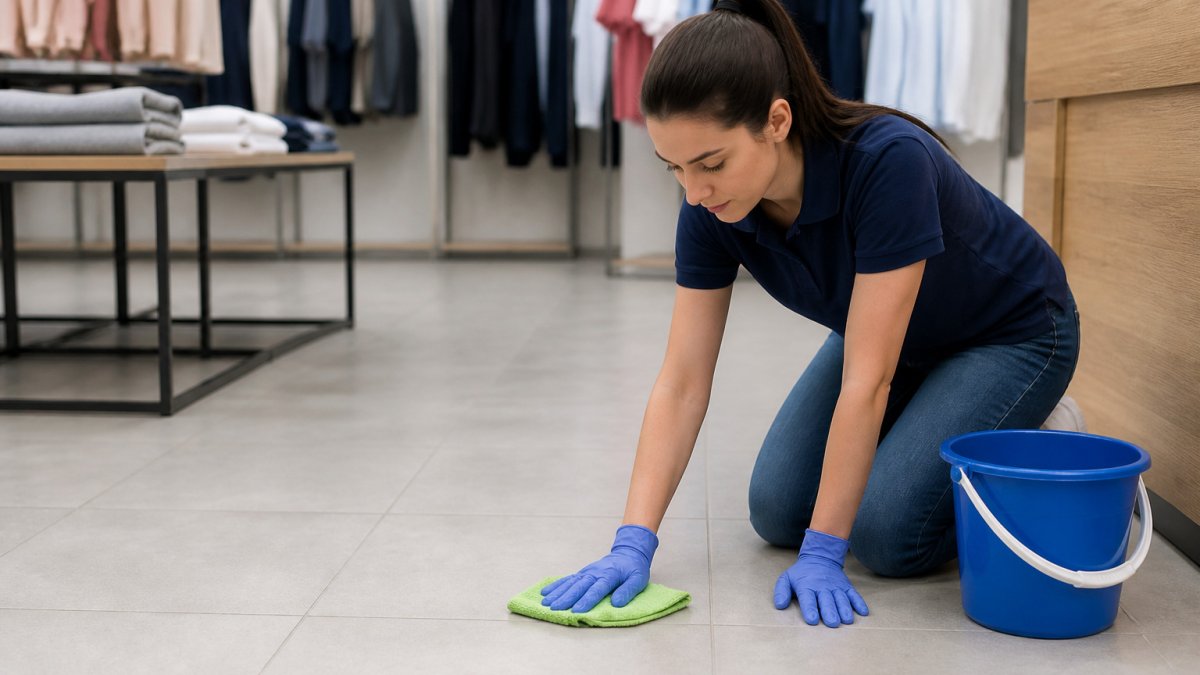
- Daily: Sweep and mop floors, wipe counters and checkout areas, empty garbage cans, and clean up food spills right away.
- Weekly: Clean behind and under shelving, wipe down the stockroom, check drains for standing water, and inspect door sweeps.
- Monthly: Move shelving to clean the floor beneath, check for gaps around pipes and vents, and review your cleaning log.
Watch out: Stacking boxes directly on the floor hides crumbs and gives pests a place to nest, so keep stock on pallets or shelves.
The article splits cleaning into three tiers, so here is what each one covers.
| Frequency | Tasks | Focus |
|---|---|---|
| Daily | Sweep and mop floors, wipe counters, empty garbage, clean spills | Areas pests find first |
| Weekly | Clean behind shelving, wipe stockroom, check drains, inspect door sweeps | Hidden and damp spots |
| Monthly | Move shelving, check gaps around pipes and vents, review cleaning log | Structural openings and records |
Pest Prevention Cleaning Schedule by Retail Zone
Different parts of a store carry different risks, so each zone can be cleaned on its own schedule. Businesses that want daily upkeep and scheduled sanitizing handled for them can explore janitorial and office cleaning.
- Sales floor: Daily spot cleaning and weekly deep cleaning of displays.
- Food and snack areas: Clean spills at once and seal open packages.
- Stockroom and receiving area: Inspect incoming deliveries and clear cardboard quickly.
- Restrooms and break rooms: Clean daily and check for leaks.
Retail Waste Management and Cleaning to Prevent Rodents
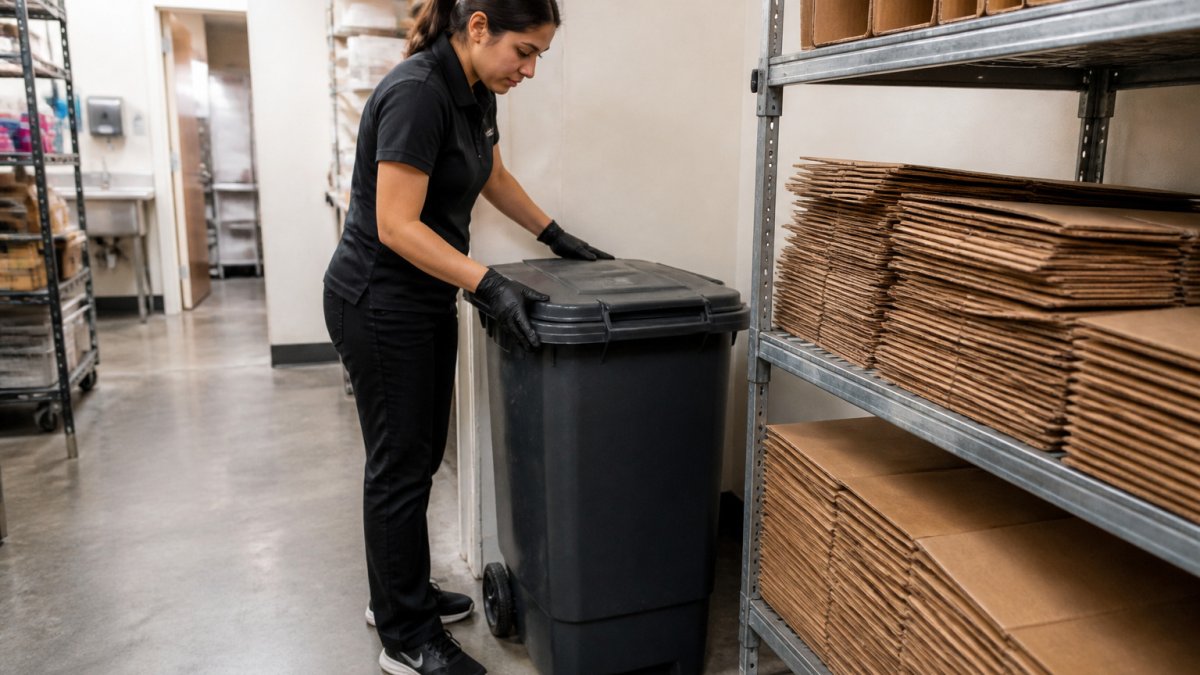
Waste is one of the main draws for rodents and insects, so how you store it matters as much as how often you empty it. For parking lots, drive-thru lanes and dumpster areas, drive-thru and exterior detailing covers these outdoor spaces. Keep lids closed, keep garbage away from the building, and clean the bins themselves on a regular basis. To have exterior and dumpster-area cleaning handled by professionals, request a commercial cleaning quote. Good waste habits make the rest of your cleaning work far more effective.
Frequently Asked Questions
How does cleaning help prevent pests in a retail store?
Pests such as rodents and cockroaches are drawn to food crumbs, spilled liquids, cardboard and standing water. Regular cleaning removes these attractants, so pests have little reason to settle or stay. Combined with sealed entry points and tight waste handling, routine retail cleaning is one of the most effective prevention measures a store controls directly. Consistent schedules matter more than occasional deep cleans.
What should retailers clean daily to reduce pest risks?
Daily priorities include wiping up food and drink spills right away, sweeping floors and checkout areas, emptying garbage containers and keeping lids closed, and cleaning break room counters and sinks. Stockroom floors should be swept and cardboard broken down and removed. A short end-of-day checklist signed by the closing staff member creates accountability and a consistent record.
How often should a retail store be deep cleaned to help prevent pests?
Most retail stores benefit from a deep clean of stockrooms, under and behind shelving, and back-of-house areas every month, with high-traffic zones such as food service counters cleaned more often. Monthly tasks should include checking gaps around doors and utility openings and clearing dust and debris from corners. Keep a simple log of completed tasks so managers can spot missed areas quickly.
